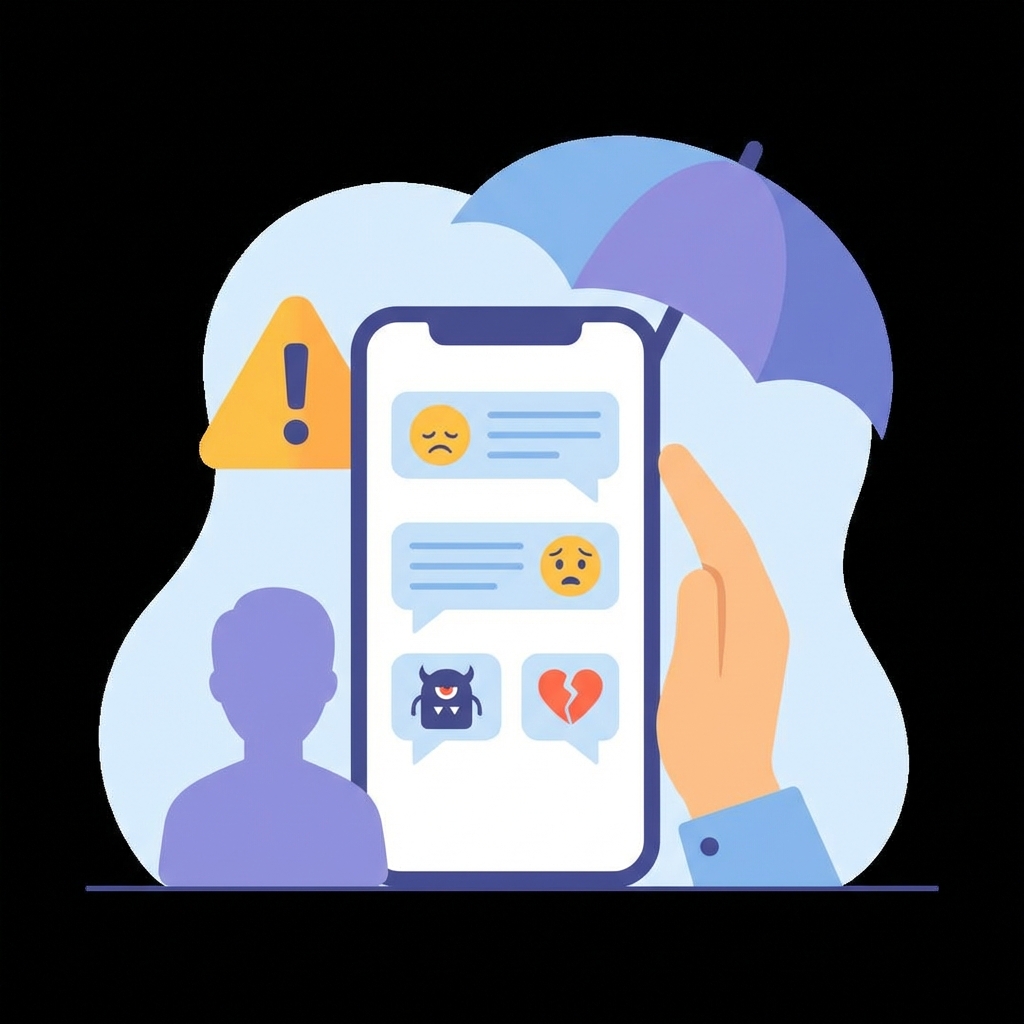
Cyberbullying affects millions of children worldwide, often invisible to parents until significant harm has occurred. Unlike traditional bullying, cyberbullying follows children home, continuing through their phones and computers. This comprehensive guide helps parents recognize warning signs and take protective action.
Understanding Cyberbullying in 2026
Cyberbullying has evolved beyond simple mean messages. Today’s online harassment takes many forms across multiple platforms.
Types of Cyberbullying
Direct Harassment:
- Threatening messages
- Cruel comments on posts
- Offensive DMs
- Repeated insults
Social Manipulation:
- Exclusion from group chats
- Spreading rumors online
- Public humiliation posts
- Screenshot sharing of private conversations
Impersonation:
- Fake accounts using child’s identity
- Catfishing schemes
- Profile hijacking
- Sharing edited photos
Digital Stalking:
- Tracking location through apps
- Monitoring online activity
- Repeated unwanted contact
- Following across platforms
Where Cyberbullying Occurs
- Social media: Instagram, TikTok, Snapchat
- Gaming platforms: Discord, in-game chat
- Messaging apps: WhatsApp, iMessage
- School platforms: Online learning portals
- Anonymous apps: Whisper, Yik Yak
- Comment sections: YouTube, forums
Warning Signs Your Child Is Being Cyberbullied
Recognizing these signs early allows for timely intervention.
Behavioral Changes
Emotional Indicators:
- Sudden mood changes after phone use
- Increased anxiety or depression
- Reluctance to discuss online activities
- Withdrawal from family interaction
- Unexplained crying or anger outbursts
- Lower self-esteem comments
Device Behavior:
- Sudden stop of device usage
- Hiding screen when approached
- Deleting apps or accounts
- Checking phone obsessively
- Nervous when notifications arrive
- Refusing to let parents see phone
Social Changes:
- Withdrawing from friends
- Not wanting to attend school
- Changes in friend groups
- Avoiding social activities
- Loss of interest in hobbies
- Isolation in room frequently
Physical Signs
- Sleep disturbances
- Appetite changes
- Frequent headaches
- Stomach problems
- Declining grades
- Skipping school or activities
Direct Evidence
If you observe any of these on their device:
- Harassing messages in chats
- Exclusion from group conversations
- Mean comments on their posts
- Fake accounts mimicking them
- Rumors spread about them online
- Embarrassing images shared
How Monitoring Apps Help Detect Cyberbullying
Parental monitoring tools provide visibility into your child’s digital life.
mSpy for Cyberbullying Detection
mSpy offers comprehensive monitoring to spot harassment.
Relevant Features:
- Complete message monitoring across apps
- Social media surveillance
- Keyword alerts for bullying terms
- Contact list access
- Screenshot and screen recording
- Call log monitoring
How It Helps: Set up keyword alerts for concerning terms like “kill yourself,” “ugly,” “hate you,” or local slang used for bullying. Receive instant notifications when these terms appear in messages.
Pricing: From $11.66/month
Eyezy’s AI-Powered Detection
Eyezy uses artificial intelligence to identify potential bullying.
Relevant Features:
- Magic Alerts with AI analysis
- Pattern recognition
- Sentiment analysis
- Social Spotlight for all platforms
- Friend network monitoring
How It Helps: Eyezy’s AI analyzes message patterns and sentiment, alerting you when conversations turn negative or concerning—even without specific keywords.
Pricing: From $9.99/month
What to Monitor
Messages to Watch:
- DMs across all platforms
- Group chat conversations
- Text messages
- Gaming platform chats
Content to Review:
- Comments on their posts
- Posts about them by others
- Tagged content
- Shared media
Patterns to Notice:
- Sudden decrease in messages from friends
- Conversations ending abruptly
- Repeated messages from unknown contacts
- One-sided negative exchanges
Steps to Take If Your Child Is Cyberbullied
A structured approach helps address cyberbullying effectively.
Step 1: Document Everything
Before taking any action, preserve evidence:
- Screenshot all bullying messages
- Save posts and comments
- Note dates, times, and platforms
- Identify all parties involved
- Keep records of repeated incidents
Step 2: Talk to Your Child
Approach with support, not alarm:
- Choose a calm, private moment
- Express concern, not anger
- Listen without interrupting
- Validate their feelings
- Reassure them it’s not their fault
- Ask what they want to happen
Step 3: Don’t Retaliate
Avoid escalation:
- Don’t respond to bullies on their behalf
- Don’t contact bullying child’s parents initially
- Don’t take away devices as punishment
- Don’t share the situation publicly
Step 4: Report the Behavior
Use platform reporting features:
- Report harassing content
- Block bullying accounts
- Request content removal
- File formal complaints if serious
Step 5: Involve Authorities When Needed
Contact appropriate parties:
- School administration for peer bullying
- Police for threats or criminal behavior
- Mental health professionals for support
- Legal counsel for severe cases
Platform-Specific Reporting
How to report on major platforms:
- Tap ⋮ on the offensive content
- Select “Report”
- Choose “It’s spam or abusive”
- Follow the prompts
- Block the account
Snapchat
- Press and hold on the name
- Tap “More”
- Select “Report”
- Choose the reason
- Submit the report
TikTok
- Long-press the content
- Tap “Report”
- Select violation type
- Provide details
- Submit
- Open the chat
- Tap contact name
- Scroll to “Report”
- Choose to block as well
- Submit
Preventing Cyberbullying
Proactive measures reduce risk.
Education
Teach your child:
- What constitutes cyberbullying
- How to respond appropriately
- When to tell a trusted adult
- That nothing online is truly private
- The impact of their own online behavior
Technical Measures
Implement protective features:
- Privacy settings on all accounts
- Limited friend/follower acceptance
- Restricted messaging from strangers
- Content filtering when appropriate
- Regular monitoring
Open Communication
Maintain dialogue:
- Regular check-ins about online life
- No-judgment conversations
- Updates on friend situations
- New platform discussions
- Current events in their social circle
Frequently Asked Questions
What’s the first thing I should do if I discover my child is being cyberbullied?
Stay calm and document everything. Screenshot the bullying content before it disappears. Then approach your child supportively—don’t show anger or immediately take their device. Let them know you’re there to help, not punish.
Should I confront the bully or their parents directly?
Generally, no. Direct confrontation often escalates situations. Instead, use platform reporting tools and involve school administration if it’s a peer. For serious threats, contact law enforcement.
How can I monitor my child’s phone without damaging trust?
Consider transparent monitoring for older children—explain that monitoring is for safety, not punishment. For younger children, parents have both the right and responsibility to oversight. Apps like mSpy allow monitoring while having open conversations about digital safety.
At what point should I involve law enforcement?
Contact police if the cyberbullying involves threats of violence, extortion, sexual exploitation, sustained harassment despite blocking, or if your child shows signs of self-harm. Many jurisdictions have cyberbullying laws that can be enforced.
Can cyberbullying happen to adults too?
Yes, online harassment affects all ages. The same monitoring and response strategies apply. For adults, additional legal protections may be available depending on the nature of harassment.
How do I help my child recover from cyberbullying?
Focus on emotional support, possibly with a counselor. Help them rebuild self-esteem through positive activities. Consider a social media break while recovery occurs. Maintain open communication and monitor for ongoing issues.
Conclusion
Cyberbullying is a serious threat to children’s wellbeing, but parents can take effective action. By recognizing warning signs early, using monitoring tools proactively, and responding appropriately when bullying occurs, you can protect your child from lasting harm.
Our recommendations:
- For comprehensive monitoring: mSpy provides complete visibility with keyword alerts
- For AI-powered detection: Eyezy identifies bullying patterns automatically
- Combine technology with communication: No tool replaces open parent-child dialogue
Remember that your child needs your support, not punishment. Create an environment where they feel safe coming to you with problems.